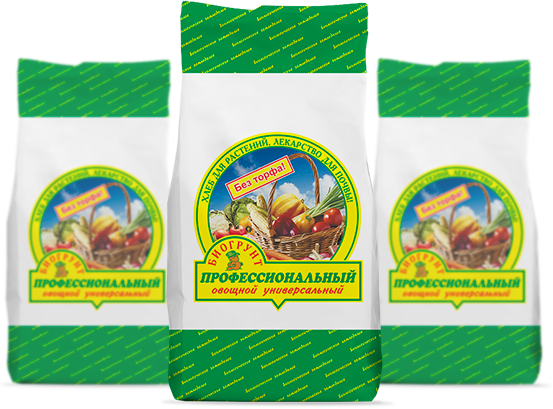
SOIL for vegetables
universal


Professional vegetable universal soil completely ready for use, neutral acidity, based on natural biohumus and coconut substrate, with the addition of quartz sand. Prepared specifically for professional work in the garden, used for growing all types of vegetable crops in open and protected (greenhouse, greenhouse) soil, as well as to improve the physical and chemical properties of the fertilized soil and is used as a nutrient soil for growing seedlings, as well as when replacing or initially filling greenhouses with soil.
I want to order
Soil mixture is intended for sowing, germination, rapid rooting, high fruiting of all types of vegetable and green crops. Especially responsive to its use are the following families: nightshade (tomatoes, peppers, eggplants, etc.), pumpkin (cucumbers, squash, melons, etc.), cruciferous (various types of cabbage, radish, radish), as well as salads, dill, parsley, celery, beets, carrots and many other inhabitants of gardens. Loose, air-and moisture-intensive, structured and balanced on the nutritional basis of the soil composition ,in its neutral environment, guarantees high survival plants, significantly reduces the maturation of crops, which contributes to their more complete maturation even with a short vegetation period in the Northern regions. Soil saturated with organic nitrogen actively stimulates the development of green mass - the working surface of photosynthesis.
 
icon
Contains a complete set of nutrients and trace elements, as well as growth stimulants
icon
It is especially valuable for its richness of useful soil forming bacterial flora
icon
Improves seed germination and plant survival
icon
Increases the overall resistance of plants to physiological stresses and weather anomalies (drought, frost)
icon
Significantly suppresses bacterial and fungal diseases of plants
icon
Used on all types of soil
 
img18

Using soil for vegetables

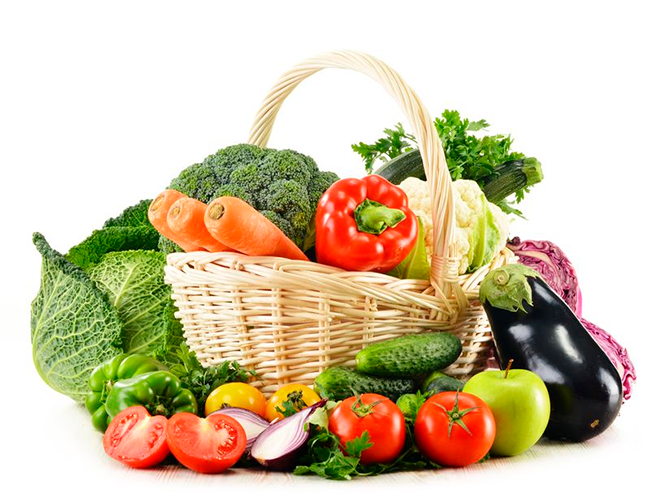
Soil for vegetables "PROFESSIONAL"universal is used as nutritious biogrunt when growing all types of vegetable crops:  
  • tomatoes,
  • carrots,
  • cucumbers,
  • onion and garlic,
  • white cabbage and peking cabbage,
  • beets,
  • bulgarian pepper,
  • eggplant,
  • zucchini,
  • pumpkins,
  as well as for improving the physical and chemical properties of fertilized soils and as one of the main components of nutrient soils for growing seedlings of vegetable crops and flower-ornamental potted plants.


Influence for agricultural plants

Increase yields

Reduction of radionuclides and heavy metals

Increase of keeping quality and marketability

Increasing the content of vitamins and taste qualities of products


When adding biohumus to the planting hole for seedlings, shrubs or saplings, it will later show all of the above properties, and immediately after planting, thanks to biologically active substances, it will also increase the percentage of survival of seedlings of shrubs or saplings and increases the overall resistance of plants to physiological stress, to weather anomalies such as drought or frost.

Any questions about vegetable soil?


Call us on the phone +7 (910) 756 — 45 — 17 or write to us biopioneer@mail.ru


Method of application biohumus


Any vegetable and berry crops

Preparation of nutrient soil for growing seedlings
Mix 1 part of biohumus and 3 parts of neutral filler (peat, sand, etc.)
Planting seedlings in the ground, as well as planting potatoes
Root feeding

All types of fruit, ornamental trees and shrubs

Planting in the ground
Add 3 kg of biohumus to the planting hole for each Bush and 5 kg to the planting hole for each tree, followed by mixing
Root feeding

Flower and ornamental plants of open ground and potted crops

Planting seedlings in the ground
Add 25-50 gr. of biohumus to the planting hole, followed by mixing
Transplanting potted plants
Root feeding
The effectiveness of the components of the soil
Biogumus
It enriches with beneficial microflora, micro and macro elements, humus, vitamins and other biologically active compounds in chelate form, the action of biohumus is explained not only by its chemical composition but also by its high saturation with microorganisms, which ensures continuous synthesis of growth stimulants such as auxins, cytokinins
Peat

Contained plant fibers – improve the water-air regime of the soil, humic acids, as well as elements of mineral nutrition: nitrogen, potassium, phosphorus, calcium, iron, magnesium, microelements – activate plant growth

Field “Pelshem Dacha” Vologda Oblast

Quartz sand

Reduces the risk of water erosion and optimizes the water – air properties of the soil. Active forms of silicon play an important role in the formation of soil humus, and also increase plant viability at the DNA level and increase resistance to physiological stresses.

Muraevnya deposit, Ryazan region

Ash

It enriches the soil as a natural complex potassium-phosphorus fertilizer, lowers the acidity of the soil, improves its structure, contributes to its loosening, creates a favorable microflora of the soil, complicates the development of pathogens, which has a beneficial effect on plant health, their survival, productivity, decorative qualities, immunity.

(hardwood only)

Coconut

It provides a good aeration of the roots with its porous structure, which contributes to the accelerated development of the root system of cultivated plants and the long-term, several years, preservation of the structural properties of the soil. In addition, the nutrients included in the composition of coconut fiber, including humic substances, provide additional plant nutrition

(made in Sri Lanka)

Any questions about the choice of fertilizers?

Ask! We will help you make the right choice!

To Top