
SOIL for garden
universal
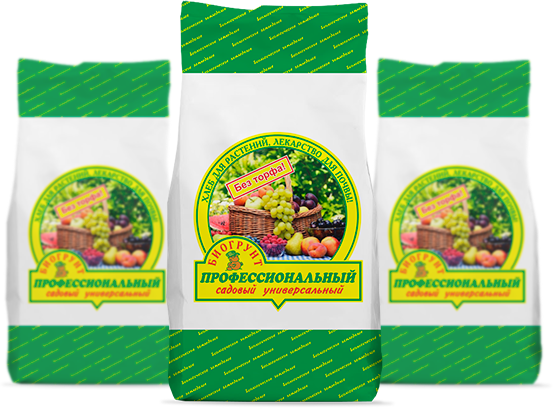
professional garden universal Soil is fully ready for use in the garden, based on natural biohumus and coconut fiber, with the addition of quartz sand.
Used for growing all types of garden crops: seed breeds (Apple, pear, quince, Irga, hawthorn, Rowan, medlar), stone breeds (cherry, cherry, plum, blackthorn, plum, apricot, dogwood), berry plants (strawberry, strawberry, raspberry, currant, Actinidia (kiwi), gooseberry, lemongrass, grapes), walnut (walnut, Manchurian walnut, hazelnut, chestnut), room varieties of citrus crops (lemon, orange, Mandarin, grapefruit, bigardia (orange), lime, Pamela, kumquat, trifoliata, citron), subtropical fruit at home (pomegranate, Fig (Fig tree), feijoa, avocado).
I want to orderPrepared specifically for professional work in the garden, as well as growing exotic plants at home.
Improves physical and chemical properties fertilized soil, mulching and used as a nutrient soil for sowing seeds, as well as growing seedlings, cuttings, rootstocks and seedlings of garden crops.
Loose, air-moisture-intensive, structured and nutritionally balanced composition of the soil, in its neutral environment, guaranteed provides high plant survival, significantly reduces the maturation of crops, which contributes to their more complete maturation, even with a short growing season in the Northern regions.Soil saturated with organic nitrogen actively stimulates the development of green mass - the working surface of photosynthesis.



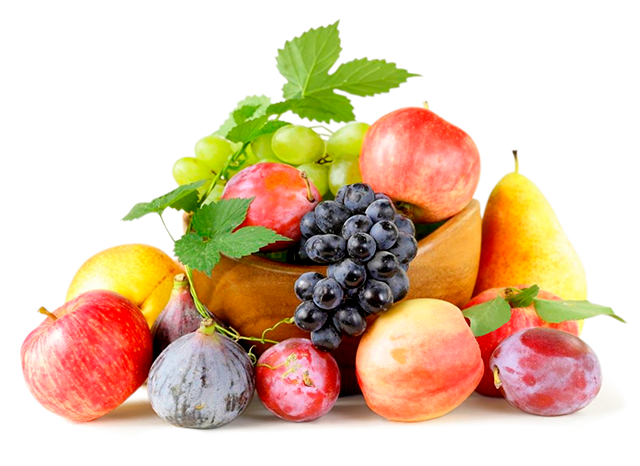
Using soil for garden
- apple tree,
- pear,
- cherry,
- plum,
- apricot,
- strawberries,
- raspberries,
- currant,
- gooseberries,
- grapes,
- lemon,
- orange,
Influence for agricultural plants

Increase yields

Reduction of radionuclides and heavy metals

Increase of keeping quality and marketability

Increasing the content of vitamins and taste qualities of products
Method of application biohumus
Any vegetable and berry crops
Preparation of nutrient soil for growing seedlings
All types of fruit, ornamental trees and shrubs
Planting in the ground
Flower and ornamental plants of open ground and potted crops
Planting seedlings in the ground


Contained plant fibers – improve the water-air regime of the soil, humic acids, as well as elements of mineral nutrition: nitrogen, potassium, phosphorus, calcium, iron, magnesium, microelements – activate plant growth
Field “Pelshem Dacha” Vologda Oblast

Reduces the risk of water erosion and optimizes the water – air properties of the soil. Active forms of silicon play an important role in the formation of soil humus, and also increase plant viability at the DNA level and increase resistance to physiological stresses.
Muraevnya deposit, Ryazan region

It enriches the soil as a natural complex potassium-phosphorus fertilizer, lowers the acidity of the soil, improves its structure, contributes to its loosening, creates a favorable microflora of the soil, complicates the development of pathogens, which has a beneficial effect on plant health, their survival, productivity, decorative qualities, immunity.
(hardwood only)

It provides a good aeration of the roots with its porous structure, which contributes to the accelerated development of the root system of cultivated plants and the long-term, several years, preservation of the structural properties of the soil. In addition, the nutrients included in the composition of coconut fiber, including humic substances, provide additional plant nutrition
(made in Sri Lanka)


